
Frequently Asked Questions
Booking & Appointments
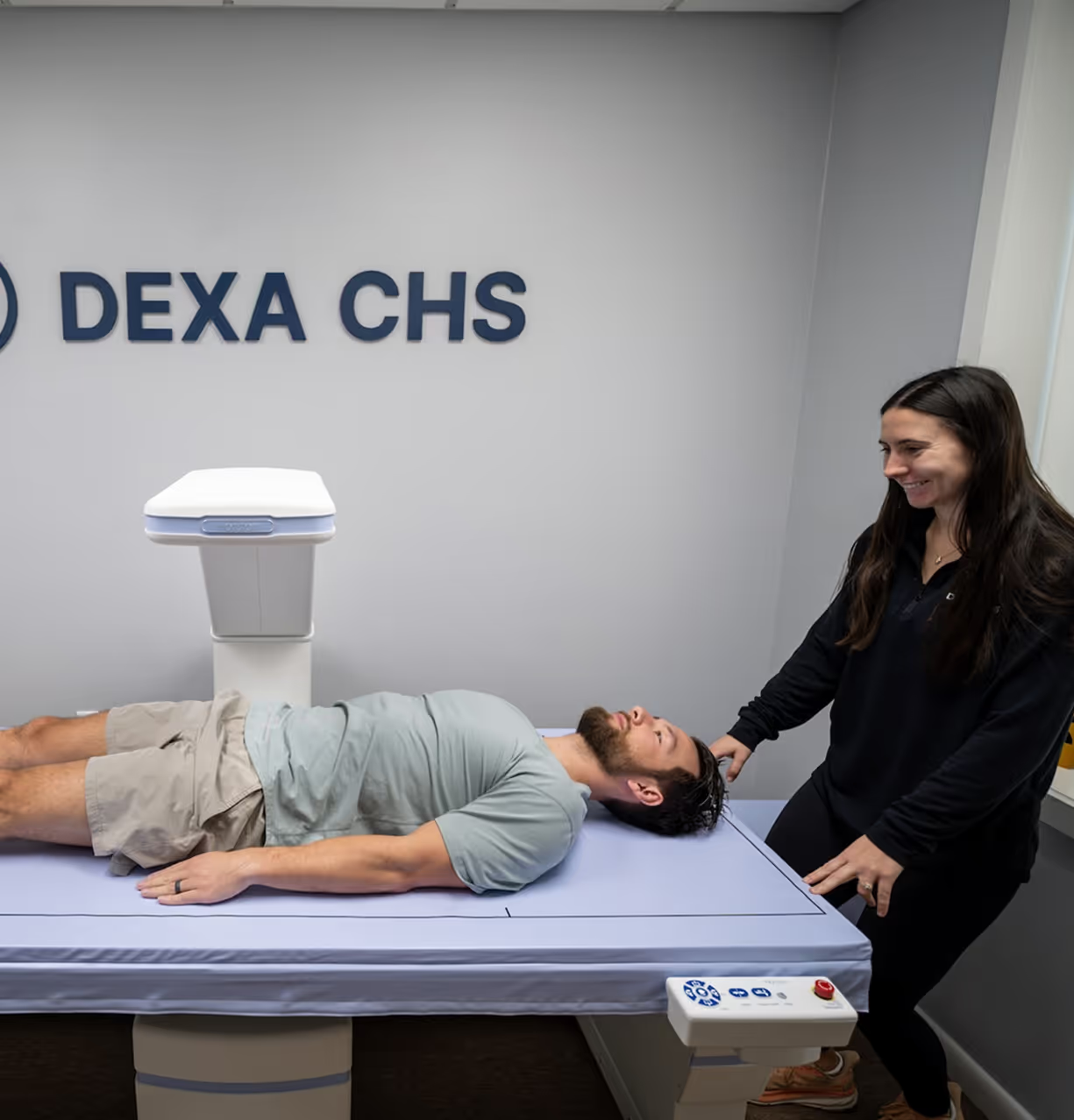
Booking your DEXA scan is simple! Just visit our online scheduling system, select your preferred date and time, and complete the booking process. You’ll receive a confirmation email shortly after.
We operate by appointment only to ensure each client receives dedicated attention. This policy helps us minimize wait times and enhance your overall experience. Please arrive on time for your scheduled appointment.
Yes, you can modify your appointment through our scheduling system. We recommend doing this at least 24 hours in advance to avoid any cancellation fees. If you have any issues, feel free to contact us.
If you arrive late, we will do our best to accommodate you, but your scan time may be shortened. Please notify us as soon as possible if you are running behind. Timeliness helps us maintain our schedule for all clients.
Refunds are not typically offered for missed appointments. However, if you need to cancel, please do so at least 24 hours in advance for a full refund. We appreciate your understanding and cooperation.
Safety & Health
Very safe. A DEXA scan starts at 0.4 microsieverts - equivalent to eating 4 bananas! If you're pregnant or think you might be, we'll ask you to wait.
Anyone interested in better health! A DEXA scan provides comprehensive body insights that are unmatched by any other methodology. Trusted by doctors and pro athletics across the world as the standard for accurate health and body insights.
Wear loose clothing without metal (no zippers, underwire bras). Avoid heavy fabrics such as denim. No barium exams or contrast dye in the past 2 weeks.
For accuracy: scan under similar conditions each time. There is no need to fast, but we advise not to have large amount of food or liquid beforehand.
During a DEXA scan, you lie on a padded table while a scanning arm passes over your body. The scan measures how much X-ray energy is absorbed by your bones and soft tissues. This data is then analyzed to provide detailed body composition insights.
No, DEXA scans are completely painless. You simply lie still for a few minutes while the scan is conducted. Most clients find the experience quick and straightforward.
Technology & Results
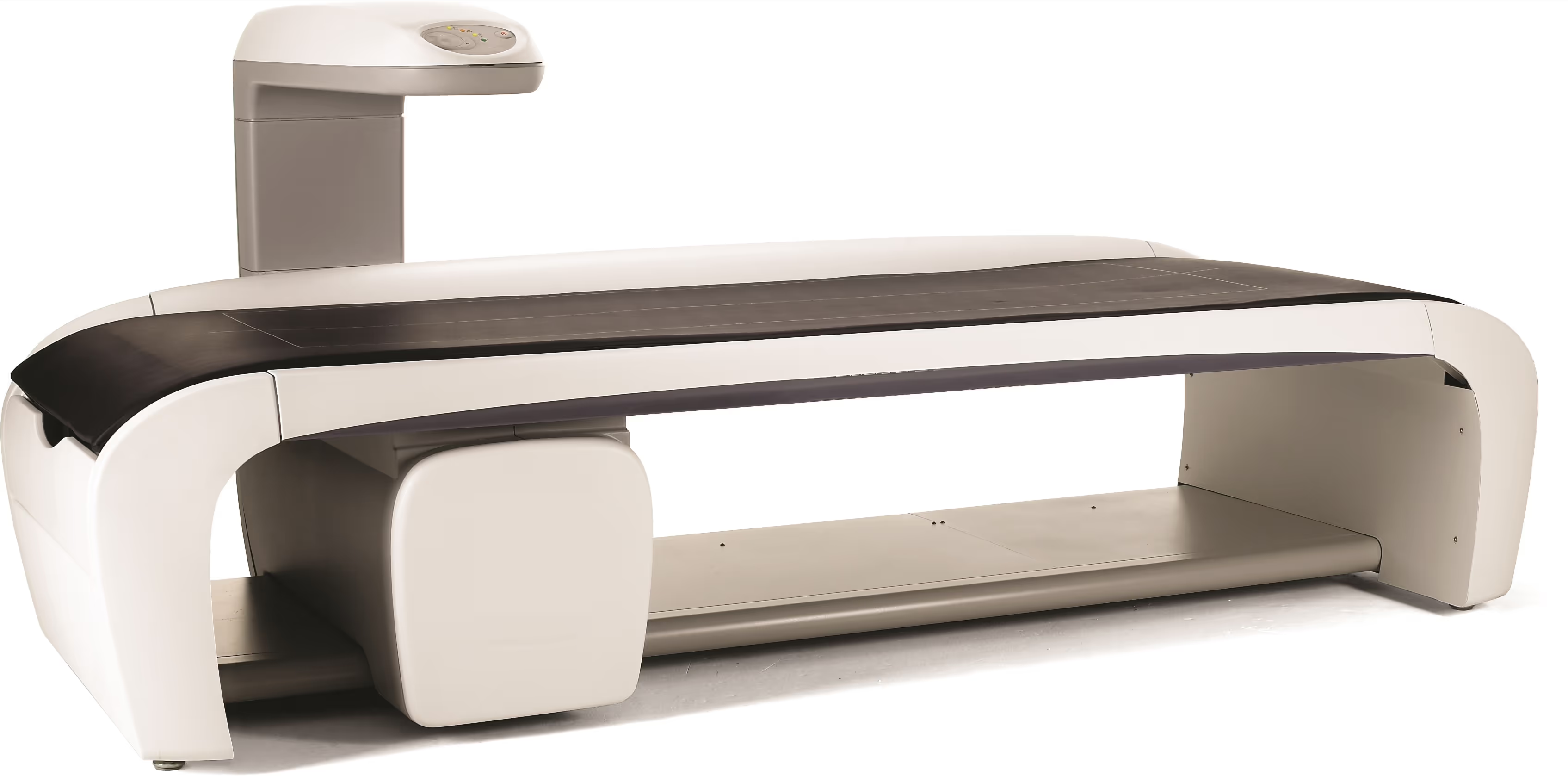
DEXA technology, or dual-energy X-ray absorptiometry, is a precise method for assessing body composition. It utilizes low-dose X-ray beams to differentiate between bone, fat, and muscle mass. This technology provides accurate insights that are crucial for health and fitness monitoring.
Results from a DEXA scan are calculated based on the amount of X-ray energy absorbed by different tissues. Medical Implants may impact results. The data is processed using advanced algorithms to provide a detailed breakdown of body composition. This ensures that you receive the most accurate and reliable measurements.
For most people, re-scanning every 3–4 months is ideal. For major fitness changes re-scanning every month will help you track progress. These timeframes allow enough time for real physiological change while keeping you accountable to your plan. Athletes or clients following a specific training block may choose to scan more frequently, while others prefer an annual check-in for long-term tracking.
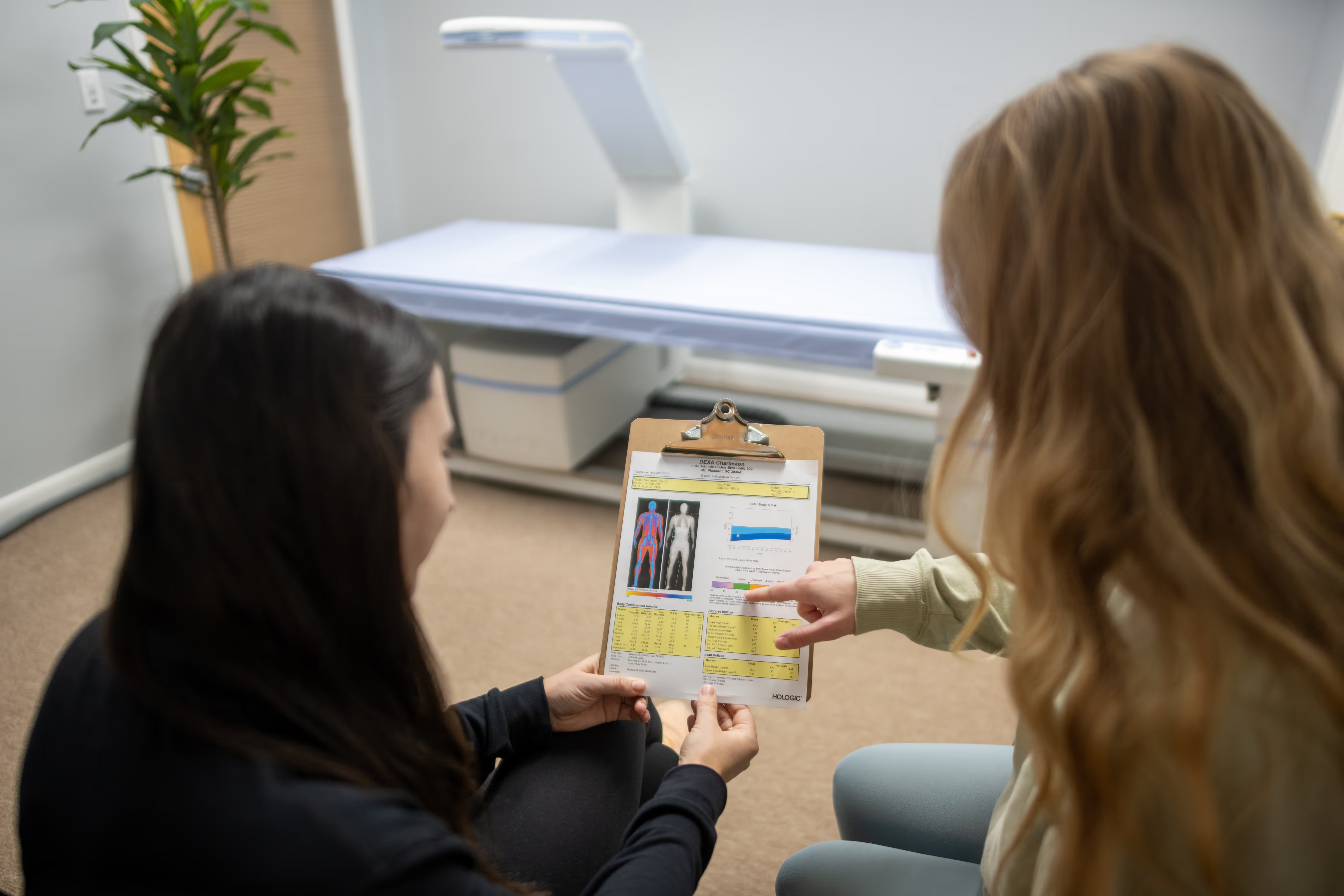
DEXA scan results provide a comprehensive view of your body composition, including fat distribution, muscle mass and bone density. Understanding these metrics can help you set realistic health and fitness goals.
While DEXA scans are primarily used for body composition analysis, they can also indicate potential health concerns. For example, low bone density readings may suggest a risk for osteoporosis. Always consult with a healthcare provider for a comprehensive assessment based on your results.